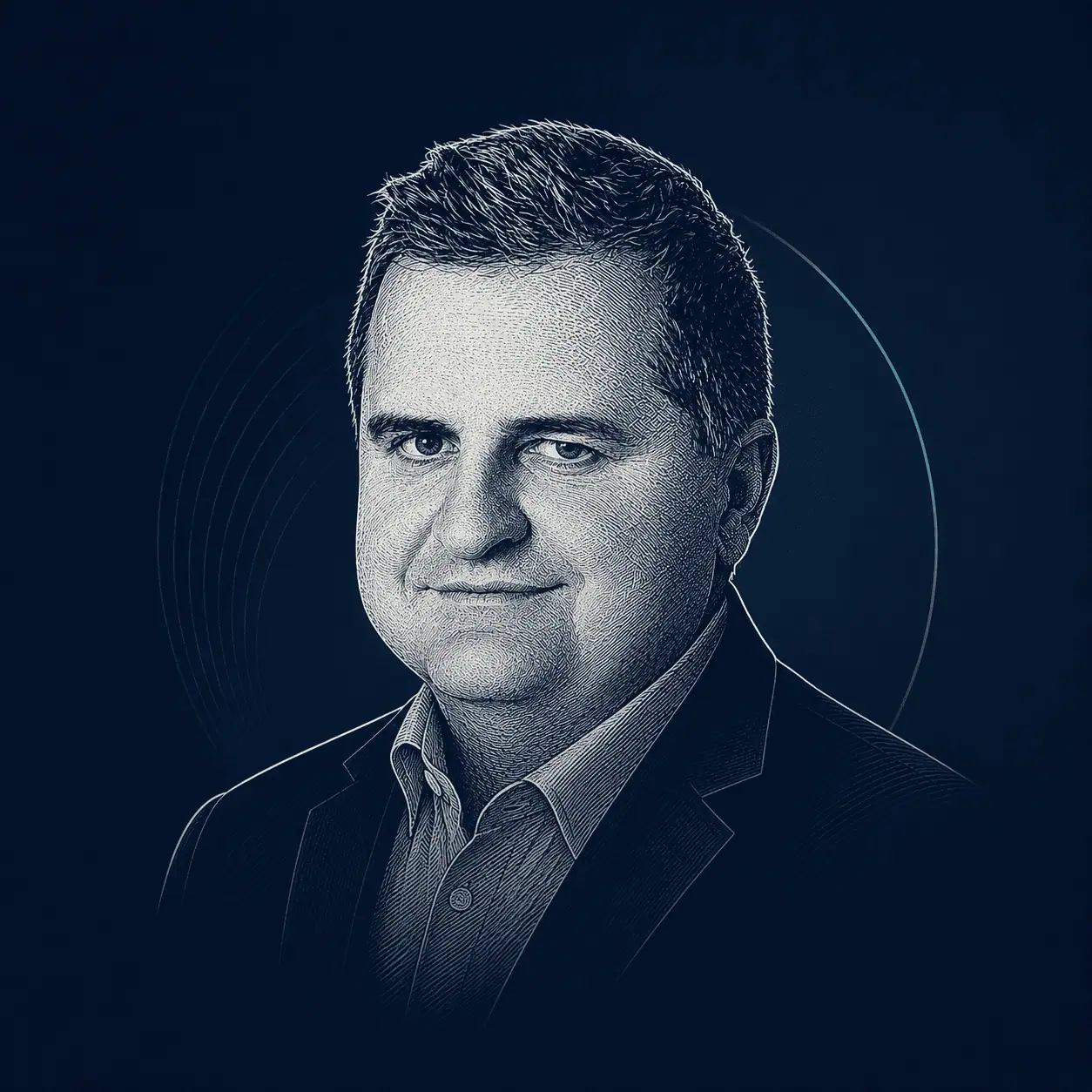
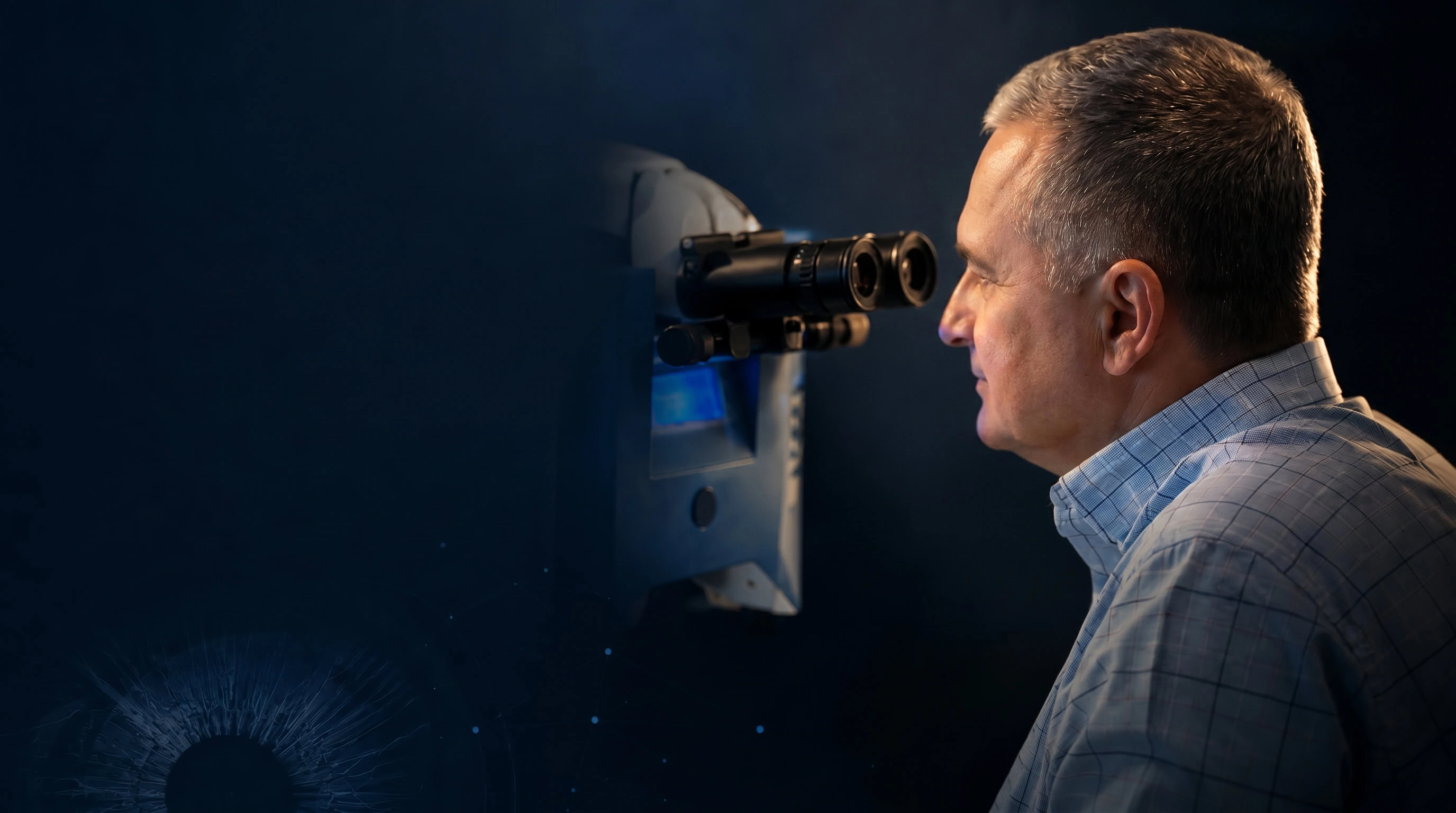
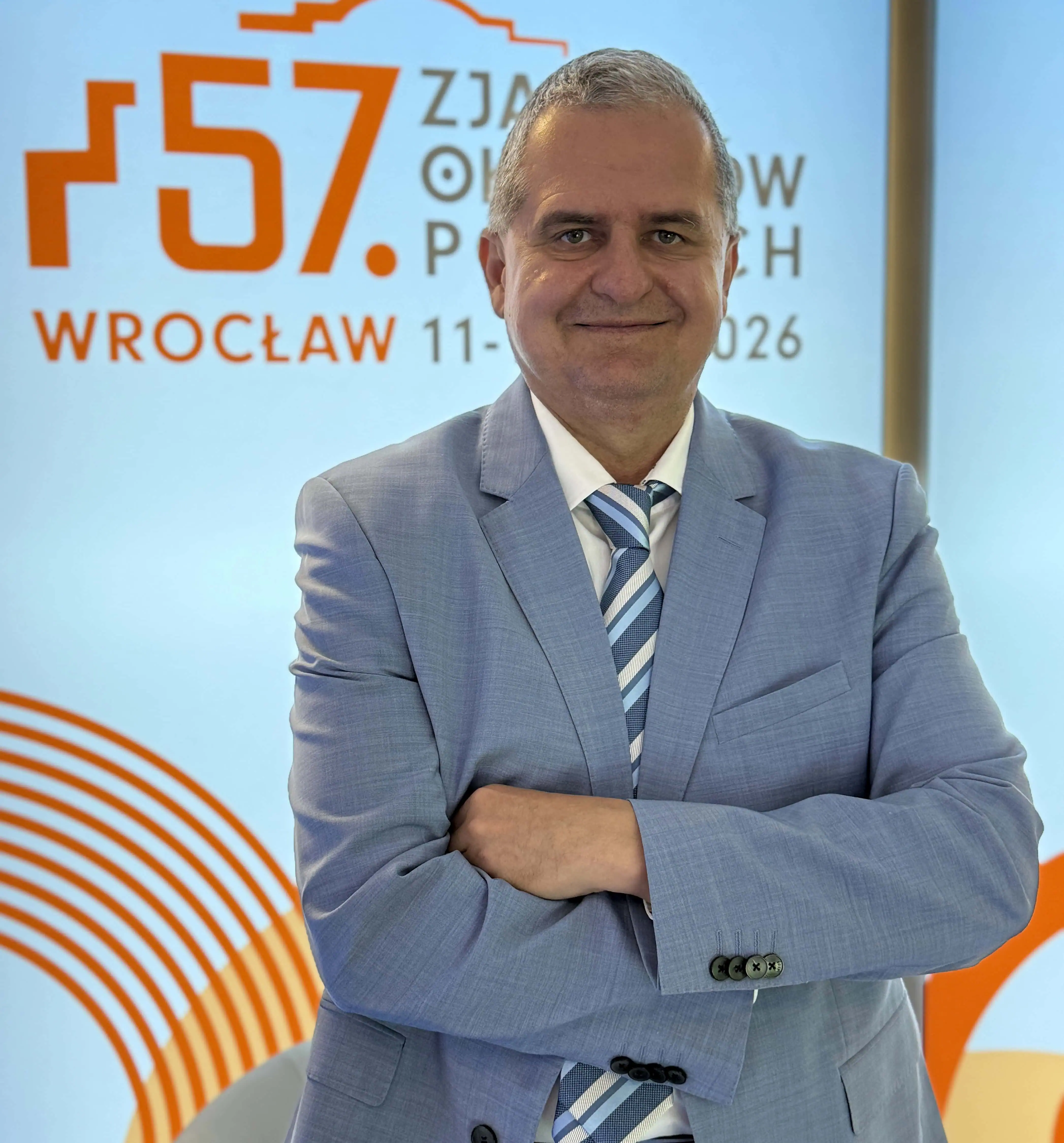
Professor Michał Szymon Nowak

Ophthalmology. Science. The future.

Prof., MD, PhD, DSc Michał Szymon Nowak

Treatment and control of myopia progression in children. Red light therapy (RLRL), imaging diagnostics and scientific research.

Knowledge. Experience. Impact.

A few numbers that show the scale of the work

25+
years of clinical experience
60+
peer-reviewed publications
34
papers in high-Impact-Factor journals
141
Web of Science reviews
38 million
population covered by registry studies
2025
professorial nomination
2026
Nowak method publication · Zenodo · CERN · Geneva

About the Professor

A clinician and scientist building the future of vision diagnostics

Professor Michał Szymon Nowak is an ophthalmologist and researcher specialising in cataract and refractive surgery, retinal diseases, imaging diagnostics and ophthalmic epidemiology.

His work combines clinical practice with nationwide and international research — from population-based registry studies covering the whole of Poland to global collaboration within the Vision Loss Expert Group of the GBD Study.

Cataract surgery Refractive surgery Epidemiology Ophthalmic oncology Diagnostic imaging
Michał Szymon Nowak Łódź · Częstochowa · Poland

Academic & professional path

Over two decades of growth, research and innovation

1992–1999
Medical studies, Medical University of Lodz
1999–2009
Specialisation & clinical practice
2009–2010
First population-based studies
2015
Epidemiology of eye diseases in older adults
2021–2023
Nationwide registry & oncology studies
2025
Professorial nomination from the President of the Republic of Poland (9 May 2025)
2026
Nowak method publication · Zenodo · CERN · Geneva

Press materials

Professor Michał Szymon Nowak in the media

Download press materials
MEDIA / VIDEO / 01 · 02
ONET RANO

A conversation with Prof. Michał Szymon Nowak

AUTO · 4 S
CANONICAL CONTENT

Prof. Michał Szymon Nowak, MD, PhD, DSc

The physician who screened millions of Poles and is implementing modern standards to save our sight

This is not another researcher's biography written from inside a comfortable academic bubble. Prof. Michał Szymon Nowak, MD, PhD, DSc, is a figure of an entirely unusual format in Polish medicine, combining advanced diagnostics and surgery with global population research. On one side he is a well-cited scientist whose work carries a substantial Impact Factor and appears regularly in journals as influential as The Lancet Global Health. On the other, he is an uncompromising practitioner who restores sharp vision to thousands of patients every day through modern pharmacotherapy and refractive surgery of the cornea and the lens.

The man who put 38 million Poles under the lens

While other researchers relied on small, isolated groups of patients, Professor Nowak took a step no scientist in Central and Eastern Europe had dared to take before. He understood that the true scale of vision problems has to be measured at the macro level. He was the first in this part of the world to apply Big Data analytics in medicine, examining electronic medical records covering the entire Polish population of more than 38 million people. His painstaking work with the data of the National Health Fund and the National Cancer Registry made it possible to map the incidence of eye cancers such as retinoblastoma and melanoma, and of severe emergencies such as retinal detachment, across the whole country.

That exceptional expertise led to the Professor being invited into the elite international research consortium Vision Loss Expert Group (VLEG). Working closely with the World Health Organization on the Global Burden of Disease initiative, his knowledge now genuinely shapes health policy worldwide.

An algorithm on the front line — 52,000 people screened

Professor Nowak knows that you cannot wait for a patient with damaged sight to reach the clinic on their own, because they usually do so too late. Conditions such as glaucoma, AMD and diabetic retinopathy destroy vision painlessly and in complete silence for years. That is why he pioneered moving advanced diagnostics for these diseases directly out to the public.

He launched a large-scale research project using artificial intelligence (RetinaLyze), democratising access to screening in ophthalmology. In a single year the AI algorithm analysed the fundus of the eye in more than 52,000 Polish adults. Trained beforehand on millions of images, it detected early changes with unforgiving mathematical precision in thousands of people who had no idea they were at risk. Those are people who received an urgent referral that saved them from blindness. For him artificial intelligence is not a gadget, but a real instrument in the fight for human health.

Myopia is not just a pair of glasses on your nose

When in May 2025 he received the highest academic distinction — the title of professor of medical sciences — from the President of the Republic of Poland, many would have treated it as a moment to rest on their laurels. For Professor Nowak it was only a new point of departure. Without easing his professional pace, he directed his full authority at another silent enemy: the myopia epidemic, becoming Poland's leading advocate of prevention in this field.

The Professor states plainly what the system often passes over in silence. Myopia closes the door to many professions and, in the near future, may destabilise entire services. High refractive error is a real barrier in recruitment to aviation, the uniformed services (the army, the police, the fire service and special services) and any work requiring full visual capability. If within one generation half of all young people are myopic, the pool of candidates able to perform duties on which public safety depends will shrink drastically, and the number of young people with disability will rise — to as much as 10% of that age group. A problem we dismiss today as the need for a pair of glasses will tomorrow become the country's principal health problem. That is why, for the Professor, the #punktzwrotny2050 project is not a slogan. It is a final warning.

Why is Professor Nowak an ideal interviewee for the media?

He is an outstanding expert who explains complex scientific processes without academic jargon and with real emotional force. A man who combines the microscopic precision of the operating table with macro data drawn from millions of national medical records. He is implementing artificial intelligence in Poland and co-creating indicators for the WHO. He does not sugar-coat reality — he names the threats and offers solutions that work in real life. He is an interviewee who creates an undeniable 'wow' effect, ideal for subjects such as the medicine of the future, the AI revolution, Big Data, and the direct impact of eye health on the future of our country.
AI in ophthalmology

Technology assists, the physician decides

Artificial intelligence supports imaging diagnostics — helping to detect eye diseases earlier. The final clinical decision always belongs to the physician.

OPHTHALMIC AI PIPELINE SYSTEM ACTIVE
01 / ACQUISITION

Retinal image

Digital fundus acquisition

02 / SEGMENTATION

AI analysis

Segmentation of structures and lesions

03 / HEATMAP

Data and patterns

Probability map of lesions

04 / VALIDATION

Doctor's decision

Clinical verification of the result

AI/RETINAL SCREENING

Video material: RetinaLyze System A/S. The film is presented in the context of the scientific activity and research of Prof. Michał Szymon Nowak.

SOURCE: RETINALYZE SYSTEM A/S ↗

The film is embedded directly from RetinaLyze System A/S. Source and publisher of the material: RetinaLyze System A/S.

Scientific output

Selected publications and research work

Full Google Scholar profile
Incidence and Characteristics of Retinoblastoma in Poland: The First Nationwide Study 2010–2017
Nowak M.S., Romanowska-Dixon B., Grabska-Liberek I., Żurek M.
Oncology
Int. J. Environ. Res. Public Health
2021
Incidence and survival of ocular melanoma in National Cancer Registry of Poland in 2010–2017
Nowak M.S., Romanowska-Dixon B., Grabska-Liberek I., Żurek M.
Oncology
Adv. Clin. Exp. Med.
2022
First Nation-Wide Study of the Incidence and Characteristics of Retinal Detachment in Poland during 2013–2019
Nowak M.S., Żurek M., Grabska-Liberek I., Kanclerz P.
Retina
J. Clin. Med.
2023
Incidence and Characteristics of Cataract Surgery in Poland during 2010–2015
Nowak M.S., Grabska-Liberek I., Michalska-Małecka K., et al.
Cataract
Int. J. Environ. Res. Public Health
2018
Incidence and Characteristics of Endophthalmitis after Cataract Surgery in Poland during 2010–2015
Nowak M.S., Grzybowski A., Michalska-Małecka K., et al.
Cataract
Int. J. Environ. Res. Public Health
2019
The Prevalence and Causes of Visual Impairment and Blindness Among Older Adults in the City of Lodz, Poland
Nowak M.S., Śmigielski J.
Epidemiology
Medicine (Baltimore)
2015
The Prevalence of Age-Related Eye Diseases and Cataract Surgery among Older Adults in the City of Lodz, Poland
Nowak M.S., et al.
Epidemiology
Journal of Ophthalmology
2015
Effective refractive error coverage in adults aged 50 years and older: estimates from population-based surveys in 61 countries
Vision Loss Expert Group of the GBD Study (Nowak M.S. as collaborator)
Refraction
The Lancet Global Health
2022

Red light therapy

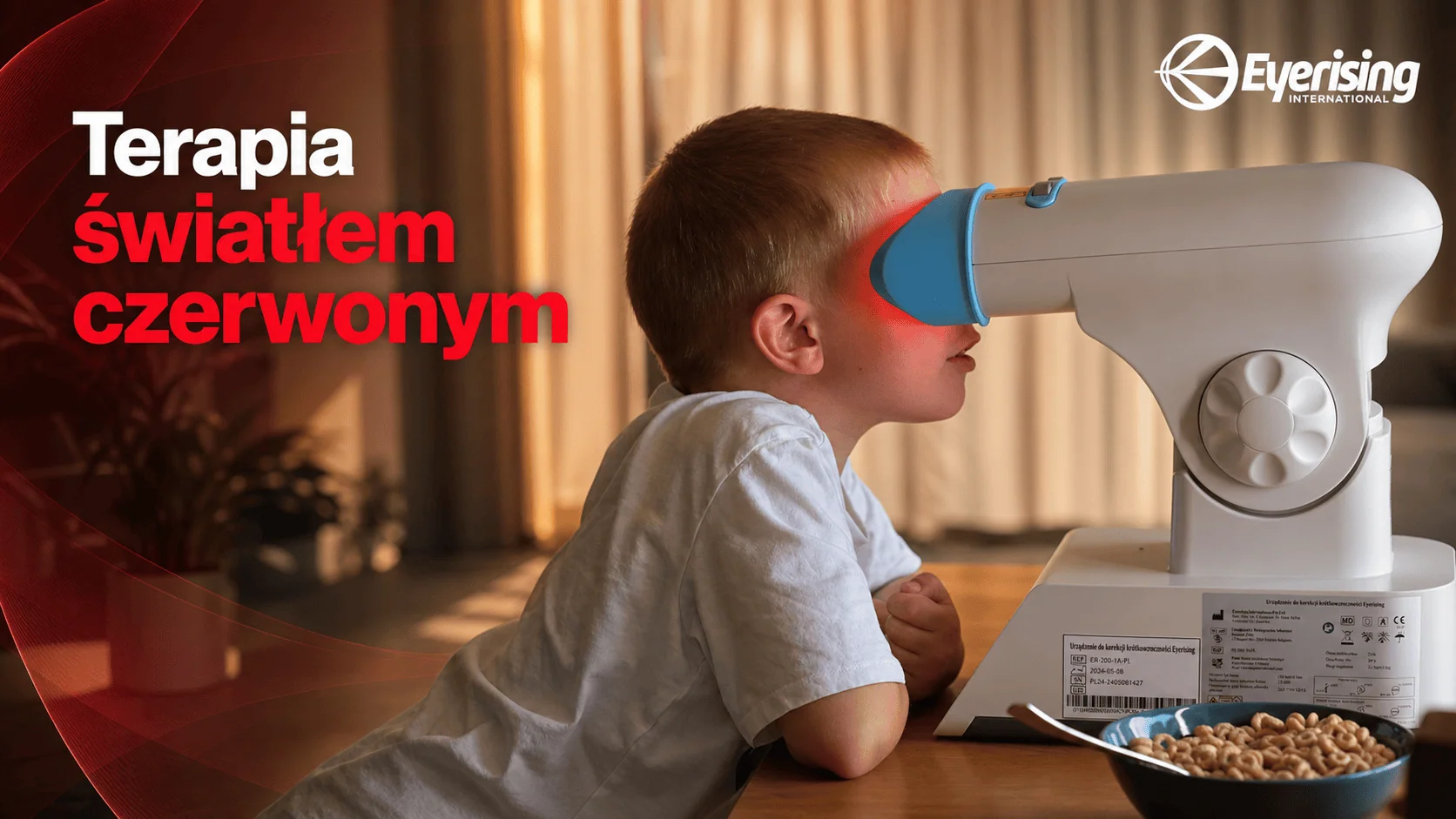
Red light therapy (RLRL) — controlling myopia progression in children

Repeated low-level red light (RLRL) is an intensively studied, non-invasive method of slowing the progression of childhood myopia. We follow the international research and the evolving clinical evidence in this area.

Based on scientific research
Non-invasive method
For children & adolescents
Studied worldwide
Myopia treatment in children — red light therapy
PHOTOBIOMODULATION Eyerising - Device for children during red light therapy

Collaboration & projects

Global reach, real impact

10+
countries of collaboration
VLEG
Vision Loss Expert Group · member
GBD
Global Burden of Disease · contributor

Contact

Get in touch — research, media, collaboration

Personal data — information notice

The controller of the data provided in this form is Prof. Michał Szymon Nowak, MD, PhD, DSc (correspondence address: ul. Wigury 19, 90-302 Łódź). Contact regarding personal data: kontakt@profesormichalnowak.pl.

Data is processed solely to respond to the message sent, under Article 6(1)(f) GDPR — the legitimate interest of conducting correspondence. Providing data is voluntary, but without an e-mail address we cannot reply.

Data is kept for as long as necessary to conclude the correspondence, no longer than 12 months from the last contact. It is not shared with third parties other than the hosting and e-mail provider processing it on our behalf.

You have the right to access, rectify, erase or restrict processing of your data, to object to processing, and to lodge a complaint with the President of the Personal Data Protection Office, ul. Stawki 2, 00-193 Warsaw.

Please do not send health information, medical records or test results through this form. The form is intended solely for initiating contact.

“The future of ophthalmology is the combination of knowledge, technology and responsibility for another human being.”

Prof., MD, PhD, DSc
Michał Szymon Nowak
M. Nowak

Medical practices